When Dignity Becomes Defense: The Overlooked Link Between Human Rights and Crime Protection
In an era of rapid social change, rising digital risks, and increasing awareness of civil liberties, human rights and crime protection have become more than legal concepts — they are the pillars of a fair and safe society. Whether you are a law student, legal professional, activist, policymaker, or an informed citizen, understanding the relationship between human rights and crime prevention is essential.
This blog explores the importance of human rights, how they intersect with crime protection, and why strengthening this connection is crucial for building safer communities.
What Are Human Rights?
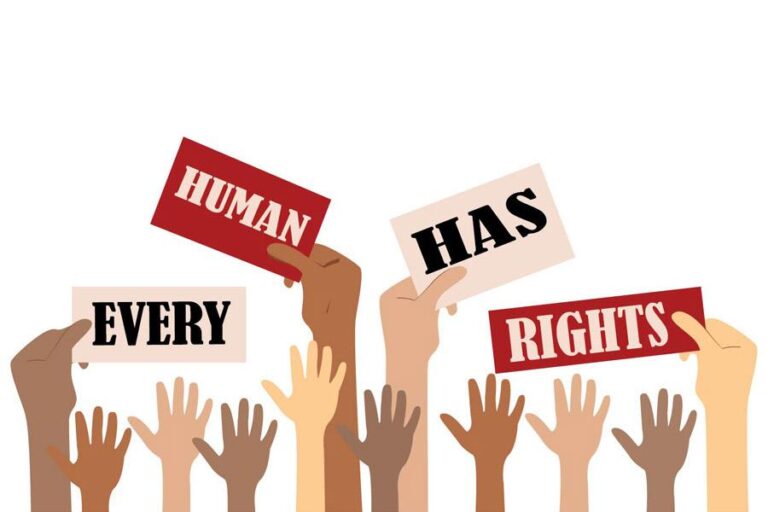
Human rights are the basic freedoms and protections that every individual is entitled to, simply because they are human. These rights are universal, inalienable, and indivisible. They include:
- The right to life and personal liberty
- The right to equality before the law
- Freedom of speech and expression
- Protection from discrimination
- The right to a fair trial
- Protection from torture and inhuman treatment
Human rights are not privileges granted by the state; they are inherent rights that legal systems are meant to protect and uphold.
The Link Between Human Rights and Crime Protection
Crime protection is often seen as the responsibility of law enforcement agencies and the judicial system. However, true crime prevention goes beyond policing — it begins with protecting human rights.
When human rights are respected:
- Individuals feel safer reporting crimes
- Victims are more likely to seek justice
- Communities develop trust in the legal system
- Abuse of power is reduced
- Vulnerable groups receive better protection
On the other hand, when human rights are violated, it creates an environment where crime thrives. Lack of accountability, misuse of authority, discrimination, and denial of due process weaken the entire justice system.
How Strong Human Rights Frameworks Help Prevent Crime
1. Protecting Victims and Encouraging Reporting
One of the biggest challenges in crime protection is underreporting. Victims often stay silent due to fear, stigma, or lack of trust in institutions. A human rights-based approach ensures that victims are treated with dignity, confidentiality, and fairness. This encourages more people to come forward and strengthens the overall legal process.
2. Ensuring Fair Investigation and Due Process
The right to a fair investigation and trial is central to both human rights and crime prevention. When legal procedures are transparent and unbiased, wrongful convictions decrease and real offenders are held accountable. This strengthens public confidence in the justice system.
3. Protecting Vulnerable Communities
Women, children, minorities, migrants, and economically weaker sections are often at higher risk of violence and exploitation. Human rights law focuses on safeguarding these vulnerable groups through special protections, stricter laws, and stronger support systems. Effective crime protection begins with recognizing and addressing these inequalities.
4. Limiting Abuse of Power
Unchecked authority can lead to custodial violence, unlawful detention, and misuse of force. Human rights frameworks set clear limits on the powers of the state and law enforcement agencies, ensuring accountability and preventing institutional crimes.
Human Rights in the Digital Age: New Challenges to Crime Protection
With the rise of technology, crime protection has expanded into new territories such as cybercrime, data privacy, and online harassment. Digital human rights now play a crucial role in modern legal systems.
Some growing concerns include:
- Online identity theft and financial fraud
- Cyberstalking and digital harassment
- Misuse of personal data
- Surveillance without consent
- Online hate speech and misinformation
Protecting digital rights such as privacy, consent, and freedom of expression is essential for ensuring safety in today’s interconnected world.
The Role of Law, Institutions, and Society
Legal Frameworks
Constitutions, criminal laws, and international conventions form the backbone of human rights protection. Strong legislation against domestic violence, sexual offences, trafficking, and discrimination directly strengthens crime protection mechanisms.
Law Enforcement and Judiciary
Police, courts, and investigative agencies play a critical role in balancing security with human rights. Ethical policing, speedy trials, and victim-sensitive procedures contribute significantly to effective justice delivery.
Civil Society and Awareness
Non-governmental organizations, legal aid groups, and educators help spread awareness about rights and legal remedies. An informed society is far less vulnerable to exploitation and far more capable of preventing crime.
Why Human Rights Education Is Key to Crime Prevention
One of the most powerful tools in crime protection is awareness. When people understand their rights and responsibilities, they are better equipped to:
- Recognize unlawful behavior
- Stand up against injustice
- Support victims of crime
- Use legal remedies effectively
- Hold authorities accountable
Human rights education creates empowered citizens, and empowered citizens build safer societies.
The Future of Human Rights and Crime Protection
As societies evolve, so do the challenges to justice and safety. The future of crime protection will increasingly depend on:
- Stronger victim protection laws
- Technology-driven legal solutions
- Faster access to justice
- Greater focus on rehabilitation over punishment
- Inclusive policies for marginalized communities
A justice system that prioritizes human dignity will always be more effective than one driven solely by fear or control.
Human rights and crime protection are not separate concepts — they are deeply interconnected. Protecting rights strengthens justice. Strengthening justice reduces crime. A society that values dignity, equality, and fairness naturally becomes a safer place for everyone.
Whether you are a legal professional, student, content creator, or concerned citizen, contributing to awareness around human rights is one of the most impactful ways to support long-term crime prevention and social progress.
By building conversations around justice, equality, and protection, we take a step closer to a more informed, empowered, and resilient society.